

Coastal Roof Repairs in St Andrews: Protecting Seafront Roofs Before Autumn
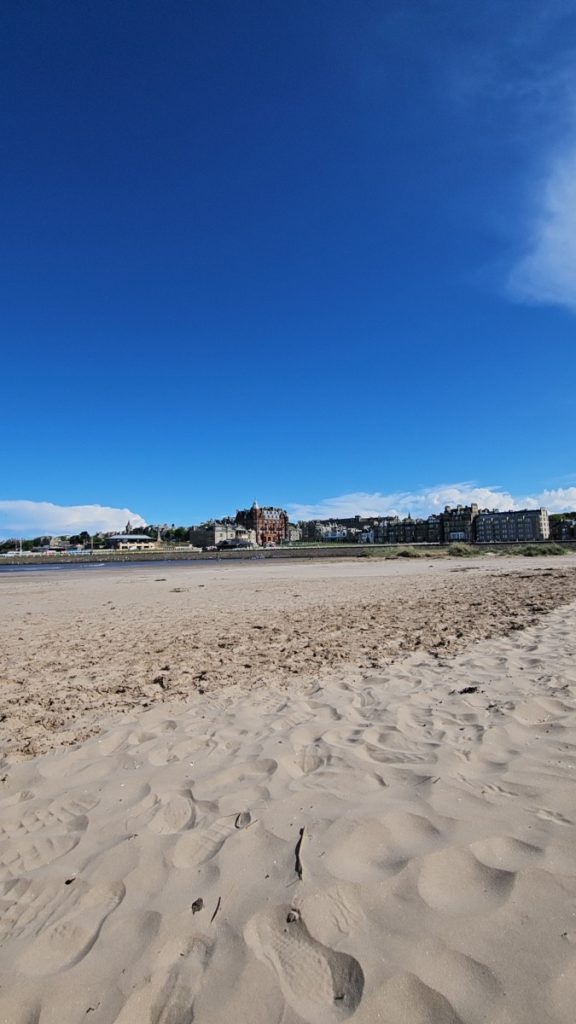
Funny thing about a photo of St Andrews seafront: most people notice the beach, the blue sky and the view. We look straight at the roofs. Along the front, properties are exposed to some of the harshest conditions in Fife, and that means even a roof that looks fine from ground level can be hiding problems that turn serious fast.
At Fife Roofers, we regularly inspect and repair coastal roofs in St Andrews where salt air, strong winds and sudden rain have started to wear down tiles, ridge lines, flashing and leadwork. If you have spotted a slipped tile, damp patch, or a conservatory roof that is too hot in summer and freezing in winter, now is the time to act before autumn weather arrives.
Why Seafront Roofs in St Andrews Need More Attention
Homes near the coast face conditions that inland roofs simply do not. Constant exposure to wind-driven rain, airborne salt and temperature changes can shorten the life of roofing materials and expose weak points much earlier than expected.
Common issues we see on St Andrews roofs include:
- Cracked or slipped roof tiles caused by repeated wind exposure
- Loose ridge tiles and mortar breakdown
- Perished leadwork around chimneys, valleys and abutments
- Water ingress showing up as ceiling stains or damp loft insulation
- Conservatory roof problems causing overheating in warm weather and heat loss in winter
From the street or the beach, these issues are easy to miss. That is why regular checks are so important for coastal properties.
Recent Roofing Concerns We Commonly See Along the St Andrews Front
Many seafront and near-coastal properties in St Andrews share similar roofing vulnerabilities. On older buildings, we often find small defects that have developed over time rather than one major obvious failure. A single slipped slate, cracked tile or weakened section of flashing may not look urgent, but after one heavy downpour it can lead to leaks, timber damage and internal staining.
Our approach is always practical. We inspect the roof carefully, identify what has actually failed, and recommend the most suitable repair rather than pushing unnecessary replacement work.
1. Slipped and Damaged Tiles
Strong coastal winds can gradually lift tiles or loosen fixings. Once one tile moves, surrounding areas become more vulnerable. Replacing damaged tiles early helps prevent underfelt exposure and water penetration.
2. Loose Ridge Tiles and Mortar Failure
Ridges take the full force of the weather. If the mortar bedding starts to break down or movement appears along the ridge line, repairs should be carried out before sections become unsafe.
3. Lead Flashing and Leadwork Wear
Leadwork repairs in St Andrews are especially common on chimneys and roof junctions near the coast. Salt-laden air and constant wetting and drying can accelerate wear, opening up gaps where water enters.
4. Conservatory Roof Heat and Cold Problems
Many homeowners contact us because their conservatory is uncomfortable for much of the year. If your conservatory roof is roasting in direct sun and freezing when temperatures drop, it may be time to discuss repair, upgrade or replacement options to improve comfort and efficiency.
Signs Your Coastal Roof Should Be Checked Before Autumn
If you live in or around St Andrews and your home is exposed to coastal weather, it is worth arranging an inspection if you have noticed any of the following:
- A tile or slate has slipped out of place
- You can see cracked ridge mortar from the ground
- There is a damp patch on an upstairs ceiling
- You have noticed drips in the loft during heavy rain
- Your chimney flashing looks loose or worn
- Your conservatory is too hot in summer and too cold in winter
These are exactly the types of early warning signs that should not be ignored. Small defects are usually much simpler and more affordable to repair before bad weather turns them into a larger problem.
Why Early Roof Repairs Save Money
One of the biggest mistakes property owners make is waiting until a leak becomes obvious. By the time water reaches the ceiling, the problem has often already affected underlay, battens, insulation or plasterwork. Early roof repairs in St Andrews can help avoid:
- More extensive storm damage
- Internal damp and decoration costs
- Rotten roof timbers
- Higher repair bills later in the season
- Emergency call-outs during severe weather
An inspection now can provide peace of mind before autumn and winter put your roof under more pressure.
Roofing Services Available in St Andrews and Across Fife
At Fife Roofers, we provide a full range of roofing services for coastal and inland properties. Depending on what your roof needs, we can help with tile replacement, ridge repairs, leadwork repairs, roof leak investigation, chimney flashing repairs and conservatory roof solutions.
We work across St Andrews and throughout Fife, offering straightforward advice and dependable workmanship. You can learn more about our services at www.fife-roofers.co.uk or see updates on our Facebook page at https://www.facebook.com.
When Was the Last Time You Properly Looked at Your Roof?
It is easy to admire the view and miss what is happening overhead. But on the St Andrews coast, roofs take a real beating all year round. If you have spotted a warning sign or just want reassurance before the seasons change, this is a smart time to arrange a professional inspection.
If you need help with coastal roof repairs in St Andrews, slipped tiles, leadwork, leaks or conservatory roof concerns, contact Fife Roofers today or call 01592 214038.
Frequently Asked Questions
How often should a coastal roof in St Andrews be inspected?
For properties near the sea, we recommend a professional roof inspection at least once a year, ideally before autumn or after severe winter weather. Coastal exposure can accelerate wear on tiles, ridges and leadwork.
What are the most common roofing problems near the coast?
The most common issues are slipped or cracked tiles, loose ridge tiles, damaged flashing, worn leadwork and leaks caused by wind-driven rain. Conservatory roofs can also suffer from poor thermal performance.
Can a small slipped tile really cause a leak?
Yes. Even one slipped or broken tile can allow water to get beneath the roof covering, especially during heavy rain and strong winds. Catching the issue early can prevent more extensive internal damage.
Do you repair lead flashing on older St Andrews properties?
Yes. We carry out lead flashing and leadwork repairs on older and newer properties in St Andrews, including around chimneys, valleys, dormers and wall abutments.
Can you help with a conservatory roof that is too hot or too cold?
Yes. If your conservatory roof is uncomfortable throughout the year, we can assess its condition and discuss suitable repair or upgrade options to improve comfort and efficiency.